A new line of custom boron nitride ceramic rings with tapered profiles is now available for high-temperature fixture applications. These rings are designed specifically for wedge locking mechanisms that operate in extreme heat environments. The unique tapered shape ensures a secure fit and reliable performance under thermal stress.
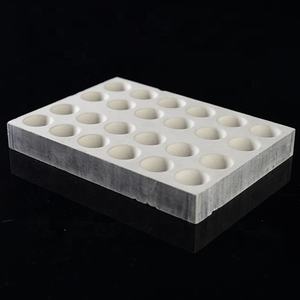
(Custom Boron Nitride Ceramic Rings with Tapered Profiles for Wedge Locking Mechanisms in High Temp Fixtures)
Boron nitride offers excellent thermal stability and electrical insulation. It maintains its structural integrity even at temperatures above 1,000°C. This makes it ideal for use in industrial furnaces, semiconductor processing equipment, and aerospace testing rigs. The material also resists thermal shock and chemical corrosion.
Manufacturers can order these rings in custom sizes and taper angles to match their specific fixture designs. Precision machining guarantees tight tolerances and consistent quality. Each ring is tested to meet strict performance standards before shipping.
The tapered profile plays a key role in the wedge locking function. It allows parts to lock firmly in place when heated and expand. This prevents slippage or misalignment during critical operations. Users report improved safety and reduced downtime thanks to this reliable locking action.
These ceramic rings replace older metal or graphite components that degrade faster under heat. They last longer and require less maintenance. That saves time and cuts operating costs over the life of the equipment.
Engineers working on high-temp systems will find these rings easy to integrate. They work with existing hardware and need no special installation tools. Support teams are ready to help with design questions or material selection.

(Custom Boron Nitride Ceramic Rings with Tapered Profiles for Wedge Locking Mechanisms in High Temp Fixtures)
Production capacity has been scaled up to meet growing demand. Lead times remain short despite the custom nature of each order. Companies in the energy, electronics, and advanced materials sectors are already using these rings in active production lines.